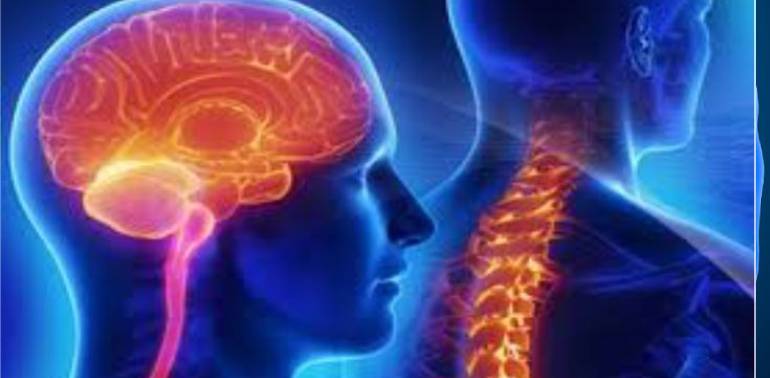
Spine Tumor Management
Spine tumors:
Spine tumors are abnormal growths that develop in the spinal bones, nerves, or spinal cord, and can be benign (non-cancerous) or malignant (cancerous).
Spine Tumor Management:
Spine Tumor Management involves the diagnosis, treatment, and rehabilitation of benign or malignant growths affecting the spinal bones, nerves, or cord. The goals are:
- Remove or shrink tumors while preserving neurological function.
- Stabilize the spine (with implants if needed).
- Relieve pain and prevent paralysis.
What are the Types of Spine Tumors?
Spinal fusion surgery is typically recommended when spinal instability, deformity, or nerve compression causes severe pain and doesn’t respond to conservative treatments. Here are the key conditions that may require fusion:
-
A. Primary Spine Tumors (Originate in the spine)
-
Benign:
- Osteoid osteoma (small, painful bone tumor)
- Hemangioma (blood vessel tumor, often asymptomatic)
- Giant cell tumor (locally aggressive)
-
Malignant:
- Chordoma (slow-growing but invasive)
- Osteosarcoma (rare, aggressive bone cancer)
-
Benign:
-
B. Metastatic Tumors (Spread from other cancers)
- Most common: Breast, lung, prostate, kidney, thyroid cancers
- Often cause pathological fractures, requiring stabilization
-
C. Spinal Cord & Nerve Tumors
- Meningiomas (usually benign, slow-growing)
- Schwannomas/Neurofibromas (nerve sheath tumors)
What are the Symptoms of Spine Tumors?
Here are 5 key symptoms of spine tumors:
- Persistent, worsening back/neck pain – Often worse at night or unrelated to activity.
- Neurological deficits – Weakness, numbness, or tingling in arms/legs.
- Loss of coordination – Difficulty walking or balancing (myelopathy).
- Bowel/bladder dysfunction – Loss of control (cauda equina syndrome).
- Unexplained weight loss/fatigue – If linked to cancer.
Early detection and prompt treatment of spine tumors are essential to prevent paralysis and maintain mobility—consult Dr. GPV Subbaiah, best spine tumor specialist in Hyderabad, for expert care.
Diagnostic Tools for Spine Tumors:
Spinal fusion surgery permanently joins two or more vertebrae to stabilize the spine. Here's how it's performed:
- MRI with Contrast – Gold standard for detecting spinal cord/nerve compression.
- CT Scan – Reveals bone destruction and tumor calcification.
- PET-CT – Identifies cancer spread (for metastatic tumors).
- Biopsy – Confirms tumor type (CT-guided or open surgical).
Precision diagnosis is the foundation of effective spine tumor treatment. Consult Dr. GPV Subbaiah, the best neuro-spine surgeon in Hyderabad, for advanced diagnostic imaging and life-saving interventions.
What are the Treatment Options Available for Spine Tumors?
Treatment Options for Spine Tumors:
-
Benign & Malignant Tumor Removal
- Complete Resection (En Bloc Spondylectomy) – For aggressive tumors like chordomas, removing the entire affected vertebra.
- Curettage (Piecemeal Removal) – For fragile or less aggressive tumors (e.g., giant cell tumors).
- Spinal Stabilization – Reconstruction with titanium cages/screws after tumor removal.
-
Metastatic Spine Tumor Surgery
- Palliative Decompression – Relieves nerve pressure when cancer has spread.
- Fixation with Cement Augmentation – Strengthens weakened vertebrae (kyphoplasty).
- Separation Surgery – Creates space between tumors and spinal cord for safer radiation.
-
Spinal Cord Tumor Resection
- Microsurgical Removal – For meningiomas/schwannomas, preserving nerve function.
- Laminoplasty – Expands the spinal canal without fusion.
- Intraoperative Neuromonitoring – Prevents cord injury during surgery.
-
Non-Surgical Options
- Radiation (Stereotactic radiosurgery/SBRT) – Precise tumor targeting.
- Chemotherapy/Immunotherapy – For sensitive cancers (lymphoma, myeloma).
- Pain Management – Nerve blocks, epidural steroids.
-
Minimally Invasive Techniques
- Endoscopic Resection – For small nerve sheath tumors.
- Laser Ablation – Destroys tumors with heat (for select cases).
Optimal spine tumor treatment varies by tumor type, spinal stability, and overall health. For personalized care, consult Dr. GPV Subbaiah, the best spine oncology specialist in Hyderabad, with decades of surgical expertise.
Advanced Technologies Used in Spine Tumor Management
- ✔ Intraoperative Neuromonitoring – Protects spinal cord function
- ✔ O-Arm/3D Navigation – Ensures precise tumor removal
- ✔ Laser Ablation – For small, hard-to-reach tumors
Why Choose Dr. GPV Subbaiah for Spine Tumor Surgery in Hyderabad?
- Unmatched Expertise – 31+ years specializing in complex spine tumor resections, including rare chordomas and metastatic cancers.
- Advanced Techniques – Uses 3D navigation, intraoperative neuromonitoring, and laser ablation for precision tumor removal without nerve damage.
- High Success Rates – 90%+ gross total resection in benign tumors, 85% pain relief in metastatic cases.
- Multidisciplinary Care – Collaborates with oncologists and radiologists for comprehensive treatment (surgery + radiation/chemo).
- Patient-Centric Approach – Prioritizes nerve preservation and quality of life, even in advanced cancers.
For the most advanced spine tumor surgery in Hyderabad, trust Dr. GPV Subbaiah - Hyderabad’s top specialist in complex spinal oncology, with 31+ years of experience in life-saving tumor resections and reconstructions. As the best spine tumor surgeon in Hyderabad, Dr. GPV Subbaiah's precision surgical skills, compassionate care have made a proven track record of restoring mobility and relieving pain.
- 24/7 Quality Service
- Easy Customer Service
- Quality Cost Service
Any Questions? We're Here To Help
Persistent back/neck pain (worse at night), weakness/numbness in limbs, balance issues, or bladder/bowel dysfunction require immediate MRI evaluation.
Yes! Radiation (SBRT) and chemotherapy work for sensitive tumors, while kyphoplasty stabilizes fractures. Surgery is needed for nerve compression or spinal instability.
With neuromonitoring and 3D navigation, risks like paralysis are minimized (<2%). Outcomes depend on tumor type and surgeon experience.
- Minimally invasive: 2–4 weeks
- Complex reconstruction: 3–6 months
- Rehab focuses on nerve recovery and strength rebuilding
While metastatic spine cancer is rarely curable, advanced treatments like tumor debulking surgery combined with precision radiation/immunotherapy can significantly prolong mobility and quality of life.