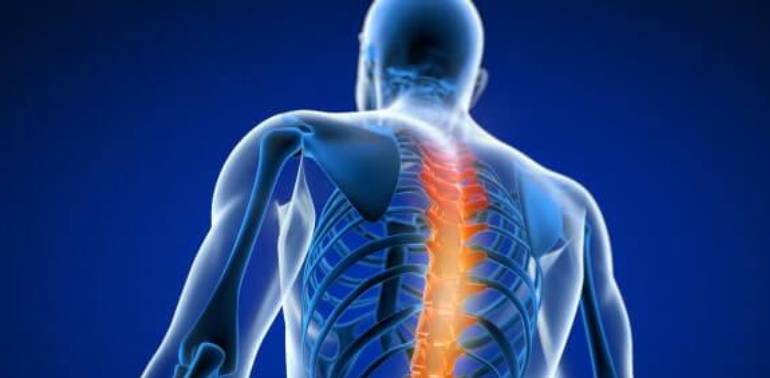
Disc Surgery
What is Disc Surgery?
Disc surgery refers to surgical procedures that treat herniated, degenerated, or damaged spinal discs causing nerve compression and chronic pain. These surgeries aim to remove pressure on nerves, stabilize the spine, and restore mobility.
Types of Disc Surgery:
-
Minimally Invasive Discectomy
- Removes herniated disc material pressing on nerves.
- Small incision, muscle-sparing, faster recovery (2-4 weeks).
-
Endoscopic Discectomy
- Ultra-minimally invasive, uses a tiny camera (endoscope).
- Incision <1cm, outpatient procedure, recovery in 1-2 weeks.
-
Microdiscectomy
- Gold standard for severe herniations.
- Microscope-assisted, small incision, high success rate (~90%).
-
Artificial Disc Replacement (ADR)
- Replaces damaged disc with an artificial implant.
- Preserves spine motion (alternative to fusion).
-
Spinal Fusion
- Joins vertebrae with bone grafts/implants.
- Used for instability or advanced degeneration.
When is Disc Surgery Needed?
Surgery is considered when:
- ✔ Severe pain persists after 6+ weeks of conservative treatment (medication, PT, injections).
- ✔ Nerve damage causes weakness, numbness, or loss of bladder/bowel control (cauda equina syndrome – EMERGENCY).
- ✔ Imaging (MRI/CT) confirms disc herniation or spinal stenosis affecting nerves.
How is Disc Surgery Performed?
- Anesthesia & Incision: The patient is given general anesthesia, and a small incision (1–2 cm) is made near the affected disc.
- Access & Visualization: Surgeons use a microscope/endoscope to view the damaged disc without cutting muscles (minimally invasive).
- Disc Removal: Herniated or degenerated disc material pressing on nerves is carefully removed (discectomy).
- Replacement/Stabilization (if needed): An artificial disc may be inserted (ADR) or vertebrae fused (fusion surgery).
- Closure: The incision is closed with sutures/glue, and the patient can often walk the same day.
Recovery & Rehabilitation after Disc Surgery:
- Same Day: Walking within hours.
- 1-2 Weeks: Light activity (no heavy lifting).
- 4-6 Weeks: Return to office work.
- 3 Months: Full recovery (sports, gym).
- Pain Relief: Most patients feel immediate nerve pain relief, though some soreness persists for days.
Disc surgery has evolved significantly, with minimally invasive techniques reducing risks and speeding recovery. The best option depends on your condition, age, and lifestyle. If you are looking for successful disc surgery, we always suggest you consult with Dr. GPV Subbaiah, the best disc surgeon in Hyderabad.
Dr. GPV Subbaiah - The Best Disc Surgeon in Hyderabad
When it comes to the Best Disc Surgery in Hyderabad, Dr. GPV Subbaiah stands as the foremost expert, offering cutting-edge treatments for herniated discs, degenerative disc disease, and spinal nerve compression. With 15+ years of specialized experience, he performs:
- ✔ Minimally Invasive Discectomy - Quick relief from sciatica
- ✔ Endoscopic Disc Surgery - Scarless, ultra-precise removal
- ✔ Artificial Disc Replacement (ADR) - Motion-preserving solution
- ✔ Microdiscectomy - Gold-standard nerve decompression
Why Choose Dr. GPV Subbaiah for the Best Disc Surgeon in Hyderabad?
- ✔ 95%+ Success Rate in pain relief
- ✔ Same-Day Discharge for most procedures
- ✔ Advanced US/German-Trained Techniques
- ✔ Personalized Rehabilitation Plans
For Consult Top Disc Specialist in Hyderabad Today!
- 24/7 Quality Service
- Easy Customer Service
- Quality Cost Service
Any Questions? We're Here To Help
Bring to the table win-win survival strategies to ensure proactive domination. At the end of the day, going forward, a new normal that has evolved from generation X is on the
- Discectomy: Removes herniated disc material (e.g., microdiscectomy).
- Disc Replacement (ADR): Replaces the damaged disc with an artificial implant to preserve spine motion.
- Minimally invasive (endoscopic/microdiscectomy): 1–2 weeks.
- Artificial disc replacement: 4–6 weeks.
- Fusion surgery: 3–6 months.
Risks are rare but may include infection, nerve injury, or recurrent herniation (5–10% chance). Advanced techniques minimize complications.
Not always! Artificial disc replacement or minimally invasive discectomy often avoids fusion. Fusion is only needed for spinal instability.